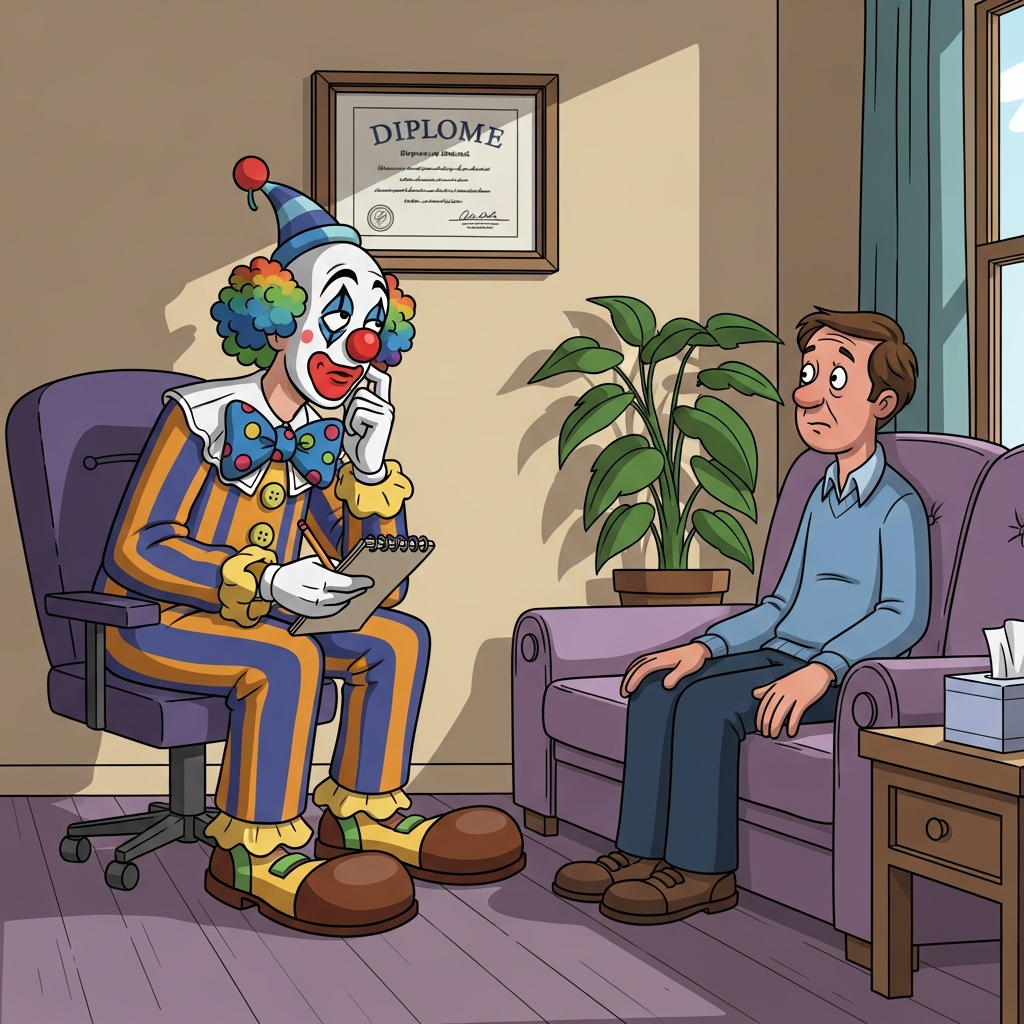
I am no anti-psychiatry activist. We desperately need good psychological and psychiatric science.
However, if there is one thing I have learned from years of cross-disciplinary training and psychoeducation, it's that some psychiatrists and psychologists are not very good, and cause a lot of damage. I have had personal relationships with psychologists, and client relationships with psychiatrists, some of whom should almost certainly be barred from practice.
Frankly: brilliant, high-functioning people can still be as mad as a bag of bees, and sometimes I wonder how the malpraticing psychiatrist I met ever made it through medical school.
Fixing that problem will help in terms of public perception.
However, there's also an active anti-scientistic, anti-psychiatry movement, and they are more likely to blame for most of the trouble. That movement must be exposed when they're just motivated by anti-scientism rather than by keeping psychiatry honest.
Finally, there's also the honesty of the psychiatry and neuropsychology community to factor in. Neuropsychologists and psychiatrists (the good ones) are often frank about the unlikelihood of every actually curing Cluster B and psychotic disorders. This precipitates a public perception problem: cure and alleviation of symptoms are often conflated in the minds of the public, and so incurability is conflated with complete hopelessness and helplessness in relation to symptom alleviation.
The honesty of the profession about the physical underpinnings of incurability of mental disorder is also problematised by it's association with reductionism. I'm a reductionist, and I would surmise that most psychiatrists are too. However, reductionism (and it's conceptual bedfellow physicalism) are not popular with most non-scientists.
Like it or not, good psychiatric science is reductionist, as are most of the good hard sciences. That's not some kind of mistake. Frequentist statistics does a lot of the heavy lifting in neuroscience, but brain imaging and psychophysical measurement - and the effort to make it higher resolution - are all about reductionist analytic imperatives (material and structural, rather than conceptual, although the latter follows).
It's likely that the psychiatric community need to do some savvy marketing psychology for relating to the public given the latter's perception of reductionism and materialism/physicalism, and the associated 'incurability' assertions of honest brain scientists. The bad press for physicalism and reductionism at pulpits and in public fora is not making that any better.
Psychiatrists know that shortened dendrites and failed dendritic pruning are no more curable than a missing limb, but it might be best to emphasise to patients and the public that the brain is neuroplastic, and that therapies and medicines - and counselling - exist to lessen the symptoms and their psychosocial impact.
diagnav.site