Marketing psychology is about why people behave as they do and how to get them to behave differently.
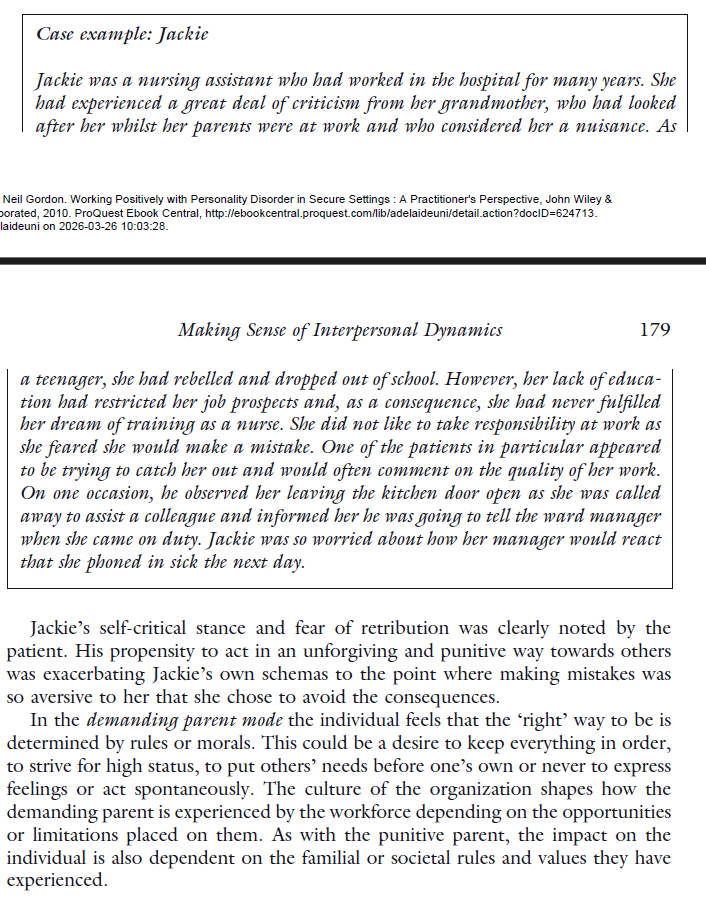
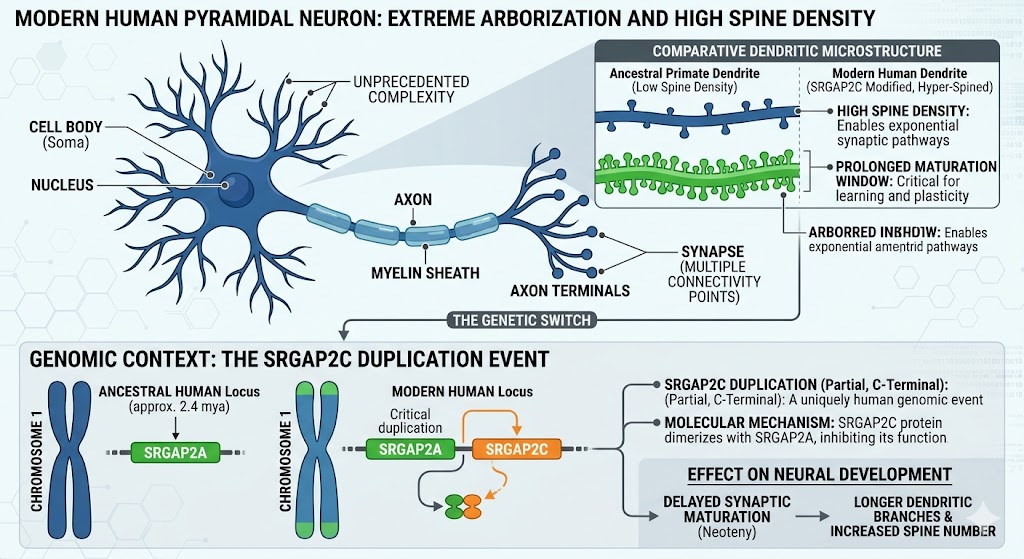
A primary influence on people's behaviour is their developmental schemas: cognitive scripts or programmatic narratives developed from early childhood to young adulthood (especially with neuroplastic brain maturation now known to persist until the 30s).
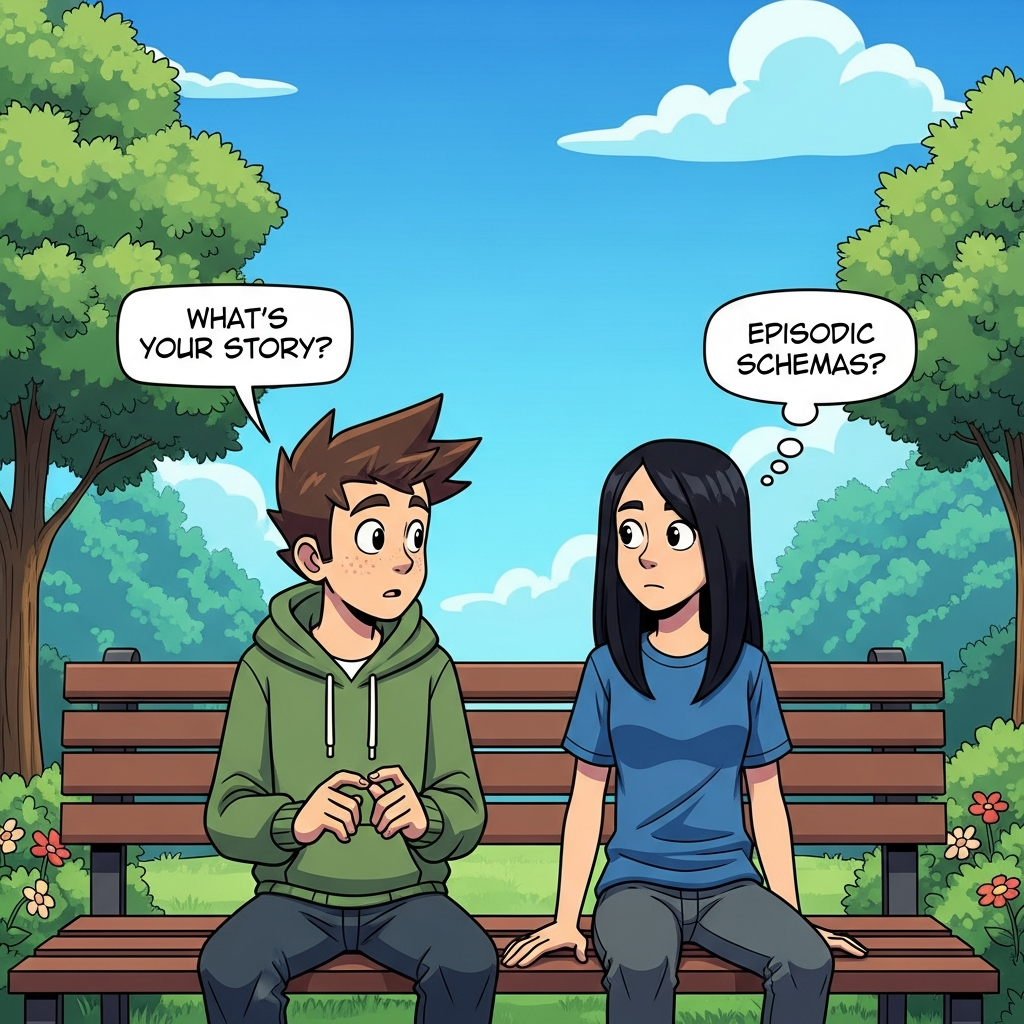
Schemas are the central feature of Young's schema therapy. Schema therapy has a very interesting and little investigated (rigorously and experimentally) sub-hypothesis referred to as schema chemistry.
According to the schema chemistry hypothesis, people's interpersonal relationships are mostly problematised by the evocation of early maladaptive schemas (EMSs.)
This ‘chemistry’ is an unconscious pull towards individuals who fit our pre-existing emotional scripts.
For example, a person with a strong ‘Subjugation’ schema, developed from having domineering caregivers, might feel an inexplicable attraction to partners who are controlling or demanding. While consciously this creates distress, unconsciously it feels familiar and ‘right,’ as the dynamic mentally evokes subconscious memories of early relationship experiences by reactivating the well-trodden neural pathways of their earliest relationships.
The partner’s behaviour activates the schema, and the individual responds with their typical coping mechanism—surrendering, avoiding, or overcompensating—locking both into a problematic, yet compelling, relational pattern.
It's a kind 'moth to a flame' situationship. According to many schema therapists and theorists, it's our main interpersonal problem as a species. It applies to both romantic and non-romantic interpersonal interactions.
From a marketing psychology perspective, this phenomenon is profoundly significant, as brands can function as ‘relational partners’ in the consumer’s mind. A brand that consistently communicates themes of rescue, security, and unwavering support may create a powerful ‘schema chemistry’ with consumers who have a core ‘Abandonment’ or ‘Vulnerability’ schema. This emotional resonance goes far beyond transactional value, fostering a deep, almost dependent loyalty.
As one might imagine, this likely works very well where the brand is a person or a group.
The consumer isn't just buying a product; they are engaging with a brand that promises to soothe an old wound, making the connection feel fated and indispensable.